Soil Conservation and Wildlife
Soil Conservation and Wildlife
If you live at Lake Monticello or are thinking about making it your home, it’s important to understand that you share this special place with a diverse array of wildlife, both on land and in the water. The lake itself is a lively habitat for fish, amphibians, and many other aquatic creatures, truly the heart of our community. That’s why we all have a responsibility to help protect the lake’s health by taking care of erosion and stormwater runoff on our properties per policy. This page is here to guide you on what to expect when living here, how to enjoy and respect the wildlife, and how to spot signs of erosion on your (prospective) lot.
Lake Monticello takes pride in being recognized as a Certified Community Wildlife Habitat by the National Wildlife Federation (NWF) in 2025. This special designation is given to communities that dedicate themselves to fostering, maintaining, and educating residents about sustainable gardening and wildlife conservation. This initiative focuses on creating a green and healthy environment through native planting, water conservation, and lowering pesticide use. Thanks to the LMOA Wildlife Committee’s hard work, several common areas and individual yards have earned this certification, qualifying LMOA as a certified community. Learn more about the program HERE. NOTE: If you would like to participate in the program, please keep in mind that your qualification items should align with LMOA policy, as policy exemptions are not permitted. For example, you cannot opt to keep your grass tall, as this conflicts with policy. Thank you for understanding!
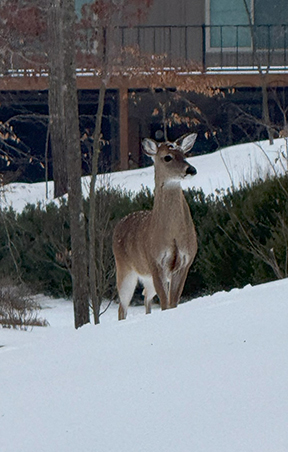 Our wonderful neighborhood is home to a wide range of wildlife, including deer, bears, raccoons, foxes, bobcats, coyotes, skunks, and many others. Remember to enjoy watching these animals from a respectful distance. Unless they are birds, feeding wild animals in Virginia is illegal. At Lake Monticello, we’re permitted to trap or kill mice, rats, moles, and gophers, but it’s important to note that feeding or interfering with other wild animals is not allowed.
Sometimes, there's an increase in certain wildlife populations, like Canada geese and deer. The Wildlife Committee works hard to teach our community about the importance of not feeding wildlife, especially the deer. Feeding them can make them less likely to leave the area naturally, can spread serious diseases, and is against the law. In the past, deer culling was considered as a solution but was found to be ineffective in this area. While the LMOA has partnered with the USDA to manage the geese population, we're also exploring new approaches with organizations like GeesePeace. The Wildlife Committee is happy to share more information and updates.
Our Lake, Tufton Pond, and the surrounding streams, springs, and drainage areas form our vital watershed. The health of Lake Monticello, your property values, and our community spirit all depend on maintaining a healthy watershed. Rainstorms can cause runoff that carries soil, gravel, trash, leaves, animal waste, pesticides, fertilizers, and other pollutants into our Lake. Surfaces like roofs, paved areas, and exposed clay soil increase the speed and volume of runoff, leading to more harm. By preventing runoff problems, we protect the health of our Lake, ponds, the Rivanna and James Rivers, and even the Chesapeake Bay.
What to Look For
During and after heavy rains, watch to see how surface water travels and pools on your property and road frontage. Indications of problems may include:
How to Help
Here are some tips from the Facilities & Lake Operations Committee (FLOC) to actively slow and filter stormwater on your property:
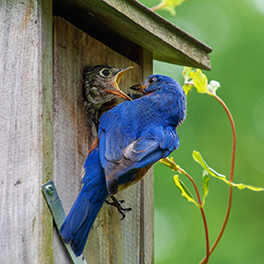 Lake Monticello’s “Bluebird Patrol” is a wonderful group of volunteers dedicated to watching over and caring for the bird boxes along the Bluebird Trail at Lake Monticello Golf Course. We have 23 boxes on the golf course, plus one at Bunker Park and another behind the Ashlawn Clubhouse. In early spring, volunteers check each box weekly, noting details like the type of nest, the number of eggs, chicks, and fledglings. If you’re interested in joining us and supporting this joyful effort, please let the Wildlife Committee know!
Feel free to call Member Services if you have any questions, and a friendly representative will connect you with the right people!
Sharing Space with Wildlife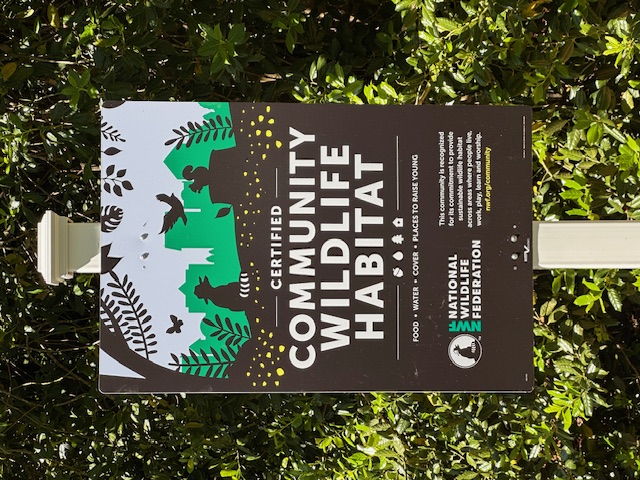
Lake Monticello takes pride in being recognized as a Certified Community Wildlife Habitat by the National Wildlife Federation (NWF) in 2025. This special designation is given to communities that dedicate themselves to fostering, maintaining, and educating residents about sustainable gardening and wildlife conservation. This initiative focuses on creating a green and healthy environment through native planting, water conservation, and lowering pesticide use. Thanks to the LMOA Wildlife Committee’s hard work, several common areas and individual yards have earned this certification, qualifying LMOA as a certified community. Learn more about the program HERE. NOTE: If you would like to participate in the program, please keep in mind that your qualification items should align with LMOA policy, as policy exemptions are not permitted. For example, you cannot opt to keep your grass tall, as this conflicts with policy. Thank you for understanding! Our wonderful neighborhood is home to a wide range of wildlife, including deer, bears, raccoons, foxes, bobcats, coyotes, skunks, and many others. Remember to enjoy watching these animals from a respectful distance. Unless they are birds, feeding wild animals in Virginia is illegal. At Lake Monticello, we’re permitted to trap or kill mice, rats, moles, and gophers, but it’s important to note that feeding or interfering with other wild animals is not allowed.Sometimes, there's an increase in certain wildlife populations, like Canada geese and deer. The Wildlife Committee works hard to teach our community about the importance of not feeding wildlife, especially the deer. Feeding them can make them less likely to leave the area naturally, can spread serious diseases, and is against the law. In the past, deer culling was considered as a solution but was found to be ineffective in this area. While the LMOA has partnered with the USDA to manage the geese population, we're also exploring new approaches with organizations like GeesePeace. The Wildlife Committee is happy to share more information and updates.
Storm Water and Erosion Control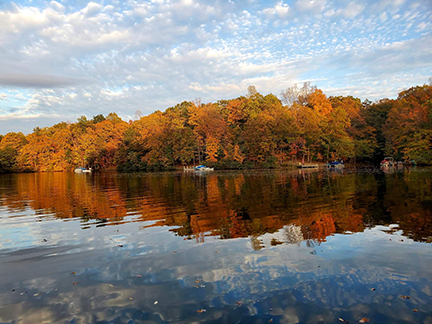
Our Lake, Tufton Pond, and the surrounding streams, springs, and drainage areas form our vital watershed. The health of Lake Monticello, your property values, and our community spirit all depend on maintaining a healthy watershed. Rainstorms can cause runoff that carries soil, gravel, trash, leaves, animal waste, pesticides, fertilizers, and other pollutants into our Lake. Surfaces like roofs, paved areas, and exposed clay soil increase the speed and volume of runoff, leading to more harm. By preventing runoff problems, we protect the health of our Lake, ponds, the Rivanna and James Rivers, and even the Chesapeake Bay.What to Look For
During and after heavy rains, watch to see how surface water travels and pools on your property and road frontage. Indications of problems may include:
- Mud- or debris-laden water running through your property during or after heavy rain
- Clogged, damaged, or deteriorated culvert ditches or pipes
- Evidence that water has been “digging” along foundations, driveways, walkways, or patios
- Water from eaves, downspouts, and drains not properly directed
- Steep areas, shorelines, or stream banks not protected by rocks, plants, or trees
How to Help
Here are some tips from the Facilities & Lake Operations Committee (FLOC) to actively slow and filter stormwater on your property:
- Keep ditches, culverts, and LMOA roadside right-of-ways (the road frontage of each lot) clear of leaves and debris.
- Install large rocks or plantings to mitigate eroding drainage ditches and stream banks.
- Use stone, mulch, and plantings to slow and filter stormwater flow, while terracing stabilizes steeper slopes.
- Plant appropriate (native)grasses, shrubs, and trees along shorelines and streambanks.
- Keep unpaved driveways adequately covered with gravel.
- Choose gravel or pervious pavers over solid asphalt or concrete to allow drainage.
- Sweep paved areas and keep downspouts and gutters clear.
- Cleaning up pet waste is mandatory in our common areas, including easements, right of ways, the golf course, etc. Cleaning up pet waste in your yard is not regulated by policy, but it does help to protect lake health.
Bluebird Box Program
Lake Monticello’s “Bluebird Patrol” is a wonderful group of volunteers dedicated to watching over and caring for the bird boxes along the Bluebird Trail at Lake Monticello Golf Course. We have 23 boxes on the golf course, plus one at Bunker Park and another behind the Ashlawn Clubhouse. In early spring, volunteers check each box weekly, noting details like the type of nest, the number of eggs, chicks, and fledglings. If you’re interested in joining us and supporting this joyful effort, please let the Wildlife Committee know!Feel free to call Member Services if you have any questions, and a friendly representative will connect you with the right people!
